Is Speeding Against the Law? Rules, Risks and Real-Life Consequences
Many drivers ask a simple but important question: is speeding against the law or just a minor mistake on the road? The short answer is yes, it is illegal in almost every country. Speed limits are not random numbers. They are carefully set to protect lives, reduce crashes, and keep traffic under control.
Still, many people ignore these limits in daily driving. Sometimes it happens because of hurry. Sometimes it is carelessness. But the law treats speeding seriously because even a small increase in speed can turn a safe journey into a dangerous one. In this article, we will explore what speeding really means, why it is illegal, and what penalties drivers can face.
What Does Speeding Mean in Law?
To understand is speeding against the law, we first need to understand what “speeding” actually means. Speeding happens when a driver goes above the posted speed limit for a road. Every road has a legal speed limit, whether it is a city street, highway, or residential area.
These limits are set by traffic authorities under road safety laws. For example, in many regions, urban roads may have lower limits like 25–50 KPH, while highways allow higher speeds such as 80–120 KPH depending on conditions.
When a driver exceeds these limits, it becomes a traffic offense. It is not just a warning in most cases. It is a punishable act under traffic regulations such as national road safety laws and transport acts used in different countries.
Key legal idea behind speeding laws
Speed limits exist for a reason. They are part of broader road safety laws that aim to reduce deaths and injuries. So when someone asks is speeding against the law, the legal system clearly responds with yes.
Why Speeding Is Considered Illegal
The next important question after is speeding against the law is why it is treated so seriously. The answer is simple: speed kills.
When a vehicle moves too fast, the driver has less time to react. A small mistake becomes much harder to control. Even braking takes longer at higher speeds. This increases the risk of crashes, especially in busy traffic areas.
Speeding is illegal because it directly increases danger to:
- Drivers
- Passengers
- Pedestrians
- Cyclists
- Other road users
Think of driving like walking on a rope. Slow movement gives balance. Fast movement reduces control. That is how speeding works on roads.
In many real-life accident investigations, excessive speed is found as a major cause. That is why lawmakers treat is speeding against the law as not just a rule, but a safety necessity.
Read More: Master the Art of Government: A Path to Principled Leadership in Modern Politics
Safety Risks of Speeding
Speeding is not only about breaking rules. It is about increasing risk in real life. When people understand is speeding against the law, they should also understand the danger behind it.
Higher speed affects driving in several ways:
- Less reaction time for sudden obstacles
- Longer stopping distance
- Harder control on sharp turns
- Increased crash impact force
- Higher chance of fatal injury
Even a difference of 10–20 KPH can change survival chances in an accident. That is why road safety experts always emphasize sticking to limits.
A simple example helps explain this. Imagine a child suddenly crossing the road. At low speed, a driver may stop in time. At high speed, even a second delay can cause tragedy. This is the real reason behind laws related to is speeding against the law.
Penalties for Speeding Violations
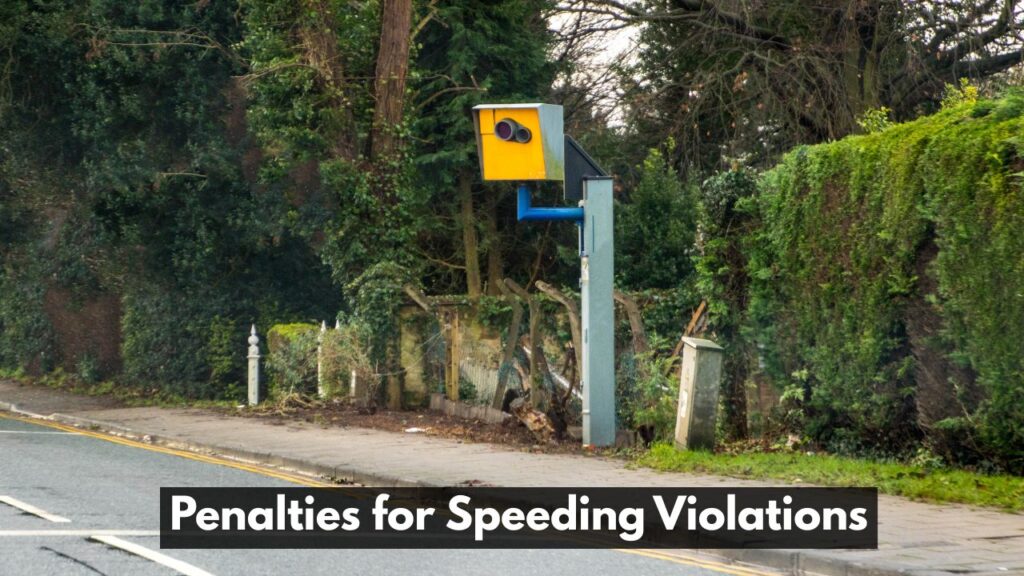
Now let’s talk about what happens when someone breaks the law. Since is speeding against the law is confirmed in almost all legal systems, penalties are used to discourage it.
Penalties depend on how fast a driver was going and where the offense happened. They can include fines, license points, or court action.
Common penalties for speeding
- Financial fines based on speed level
- Demerit points on driving license
- Police warnings in minor cases
- Court summons for serious violations
- Temporary or permanent license suspension
In countries like Bangladesh, speeding fines are enforced under transport laws such as the Road Transport Act 2018. Other countries use similar systems with different names, but the idea is the same: punish unsafe driving to protect public safety.
Table: Example of Speeding Penalties (General Overview)
| Speed Violation Level | Possible Penalty Type | Outcome |
|---|---|---|
| Slight over limit | Warning or small fine | Record added |
| Moderate speeding | Higher fine + points | Insurance impact |
| High speeding | Large fine + court case | Possible suspension |
| Dangerous speeding | Court prosecution | Serious legal action |
This shows clearly why is speeding against the law is not just theory. It has real financial and legal effects.
Variable Speed Limits on Different Roads
Speed limits are not the same everywhere. One important point in understanding is speeding against the law is knowing that limits change depending on road conditions.
Authorities set different limits for safety reasons:
- Urban areas: Lower limits due to pedestrians and traffic
- Residential zones: Very low limits for safety
- Highways: Higher limits for smooth traffic flow
- School zones: Very strict low limits
For example, a road in a busy town may have a limit of 25–40 KPH, while a highway might allow 80–100 KPH. This variation is important because each environment has different risks.
Driving the same speed everywhere is dangerous. A safe highway speed can become illegal and risky in a city street. That is why understanding is speeding against the law also means understanding context.
How Police Enforce Speeding Laws
Law enforcement plays a key role in ensuring drivers follow speed rules. When people ask is speeding against the law, they also often want to know how it is detected.
Police and traffic authorities use several tools:
- Speed radar guns
- Traffic cameras
- Highway monitoring systems
- Patrol officers with speed detection devices
If a driver is caught speeding, the police can issue a warning or a formal penalty notice. In serious cases, they may require the driver to appear in court.
In many countries, these systems are automated to reduce human error. This makes enforcement more consistent and fair for all drivers.
Real-Life Impact of Speeding Laws
Laws around is speeding against the law are not just legal rules. They have real human impact. Every year, road safety reports show that speed is one of the top causes of fatal crashes worldwide.
When drivers follow speed limits:
- Accident rates drop
- Injury severity reduces
- Traffic flow becomes smoother
- Emergency response becomes more effective
It is similar to controlling fire. Fire is useful when managed, but dangerous when uncontrolled. Speed works the same way on roads.
Quick Takeaways
Here are some simple points to remember about is speeding against the law:
- Speeding is illegal under traffic laws in most countries
- It increases accident risk significantly
- Penalties include fines, points, and court action
- Speed limits vary by road type and location
- Enforcement is done through cameras and police checks
- Safety is the main reason behind all speed regulations
Beginning of FAQs
Why is speeding illegal?
Speeding is illegal because it increases the risk of accidents and reduces driver control. Laws are designed to protect everyone on the road.
Is speeding always punishable?
Yes, but punishment depends on how much the speed limit was exceeded. Minor cases may result in warnings, while serious cases lead to fines or court action.
Does every country treat speeding the same way?
No, laws differ slightly, but the idea of is speeding against the law is universal. Almost all countries regulate speed for safety.
What happens if I repeatedly speed?
Repeated violations can lead to higher fines, more penalty points, and even license suspension in serious cases.
Understanding How Speeding Affects Insurance and Driving Records
When we continue exploring is speeding against the law, another important angle is how it affects your driving history and insurance. Many drivers only think about the fine at the moment. But the real impact often lasts much longer.
Once a speeding violation is recorded, it usually goes on your driving record. Insurance companies may see you as a higher-risk driver. That means your insurance cost can go up.
This can feel unfair at first, but from an insurer’s point of view, it is simple math. A driver who breaks speed limits is more likely to be involved in accidents.
Common long-term effects
- Higher insurance premiums
- Loss of safe driver discounts
- Negative points on driving license
- Difficulty in getting cheaper coverage
So when people ask is speeding against the law, the answer is not only about legality. It is also about long-term financial consequences that follow your driving behavior.
How Speed Limits Are Decided
Speed limits are not random numbers written on road signs. They are carefully calculated based on safety studies, road design, and traffic patterns. This is a key part of understanding is speeding against the law in a deeper way.
Authorities consider several factors:
- Road width and condition
- Traffic density
- Pedestrian activity
- Accident history of the road
- Surrounding environment (schools, markets, highways)
For example, a narrow road with many pedestrians will always have a lower limit than a wide highway. The goal is not to slow drivers unnecessarily but to match speed with safety conditions.
Speed limits are like invisible safety boundaries. Crossing them turns a controlled system into a risky one. That is why breaking them becomes illegal.
Common Myths About Speeding
There are many misunderstandings around is speeding against the law. Some drivers believe small speeding is harmless. Others think they can avoid penalties if they are careful.
Let’s clear a few common myths.
Myth 1: A little speeding is not illegal
Even small speeding is still a violation. You may not always get caught, but the law still applies.
Myth 2: Speeding is only dangerous on highways
Speeding is dangerous anywhere. In cities, even low-speed violations can cause serious accidents.
Myth 3: Good drivers can speed safely
Skill does not cancel physics. Higher speed always reduces reaction time.
Myth 4: Speed cameras are unfair
Speed cameras apply the same rule to everyone. They are used to reduce bias and improve safety.
Understanding these myths helps drivers take is speeding against the law more seriously and avoid risky thinking.
Real-Life Story Example
Imagine a driver named Rahim on his way home after work. He is tired and in a hurry. The road looks empty, so he increases speed beyond the limit.
At first, everything feels fine. But suddenly, a vehicle ahead brakes sharply. Rahim tries to stop, but the car is moving too fast. The stopping distance is longer than expected. A minor mistake becomes a serious accident.
This simple story shows why is speeding against the law is not just a legal question. It is about everyday choices that can change lives in seconds.
Many accidents happen exactly like this—no bad intention, just wrong speed at the wrong moment.
Role of Awareness in Preventing Speeding
Education and awareness play a big role in reducing speeding. Laws alone are not enough. Drivers need to understand why rules exist.
When people truly understand is speeding against the law, they are more likely to follow limits naturally instead of seeing them as restrictions.
Effective awareness methods include:
- Road safety campaigns
- Driver education programs
- School awareness sessions
- Public service messages
- Community training events
The goal is simple: make safe driving a habit, not a forced rule.
Technology and Modern Speed Control
Modern technology has made it easier to control speeding. Today, vehicles and roads are smarter than ever.
Some common technologies include:
- GPS-based speed alerts
- Smart traffic cameras
- Mobile apps that track speed
- Advanced car safety systems
- Automatic braking systems
These tools help drivers stay within limits without constantly checking signs. They also support law enforcement in ensuring is speeding against the law is properly enforced.
Technology does not replace responsibility, but it supports safer habits.
Why Respecting Speed Limits Protects Everyone
Speed limits are not just about individual drivers. They protect entire communities. When one person speeds, the risk is not only for them but for everyone sharing the road.
Think of roads like a shared space, similar to a crowded market. If one person moves recklessly, others are affected too.
Respecting speed limits leads to:
- Safer roads for families
- Fewer emergency situations
- Less traffic chaos
- Lower accident rates
So when we repeat the question is speeding against the law, the answer also connects to community safety, not just individual behavior.
Final Conclusion
So, is speeding against the law? The answer is clearly yes. It is a traffic violation in almost every legal system across the world. Laws exist not to restrict driving but to protect lives.
Speeding increases accident risk, reduces control, and leads to serious consequences. These consequences include fines, license points, court cases, and higher insurance costs.
More importantly, speeding affects real people. A single decision on the road can change many lives in seconds. That is why speed limits are enforced strictly and consistently.
Understanding is speeding against the law is not just about rules. It is about responsibility, awareness, and respect for life on the road.
FAQs (Final Section)
Is speeding against the law everywhere in the world?
Yes, almost every country treats speeding as a traffic offense, even though exact penalties may differ.
Can I go a little over the speed limit?
No, even small violations are still illegal. However, enforcement tolerance may vary slightly by region.
What is the main reason for speed limits?
The main reason is safety. Speed limits reduce accidents and protect all road users.
Do speed cameras always catch speeding drivers?
They are widely used and very effective, but no system is perfect. Still, they significantly reduce violations.
Can speeding lead to jail time?
In extreme or dangerous cases, yes. Serious speeding can lead to court action and even imprisonment in some jurisdictions.
Why do highways have higher speed limits?
Because highways are designed for smoother traffic flow with fewer stops and safer driving conditions.
What should I do if I get a speeding ticket?
You should follow the legal process, pay fines if required, or contest the ticket in court if you believe it is incorrect.