Is There a Lemon Law for Travel Trailers?
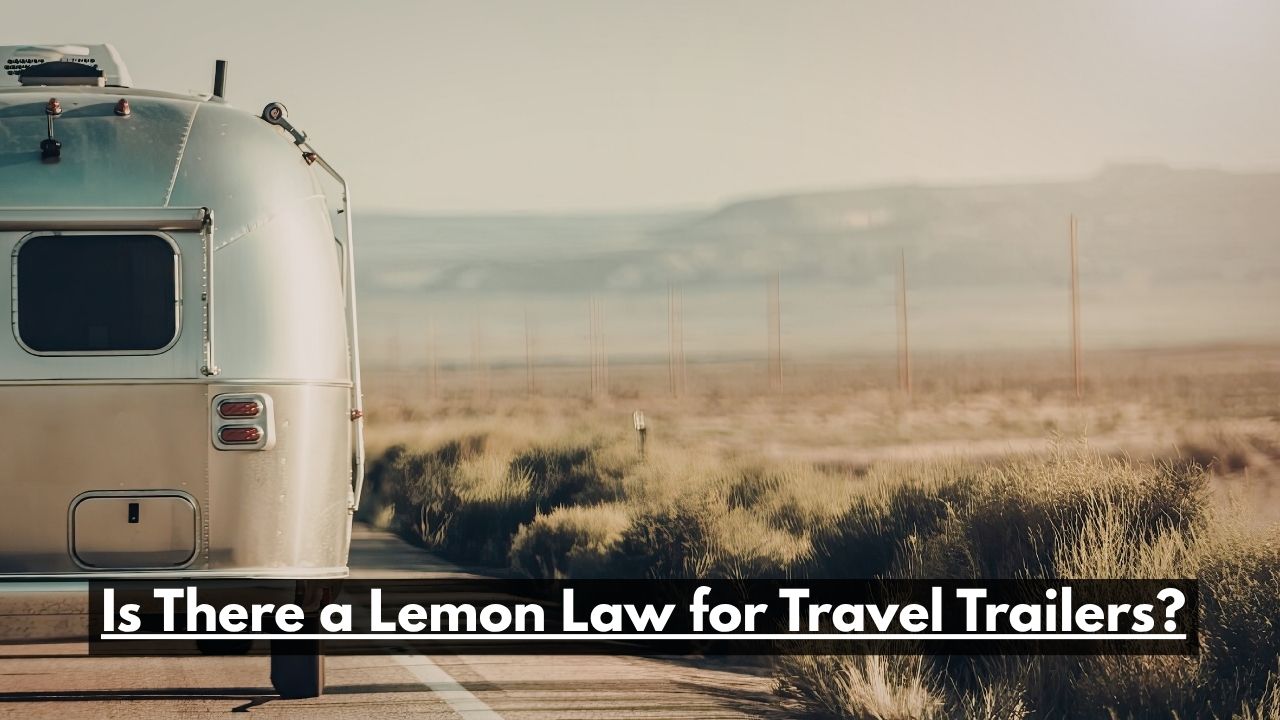
Buying a travel trailer feels like chasing freedom on wheels. You imagine road trips, quiet nights, and endless views. But what happens when that dream turns into a string of repairs and frustration? That’s when many people start asking a simple but powerful question: “is there a lemon law for travel trailers?”
I’ve seen this situation unfold more than once. A friend bought a brand-new trailer, only to spend more time at repair shops than campsites. It felt unfair, almost like buying a broken promise. If you’re in the same boat, don’t worry. This guide will walk you through everything in a simple, clear way so you know your rights and options.
What Does Lemon Law Really Mean?

Lemon law is like a safety net for buyers. It protects you when a product has serious defects that won’t go away. Most people know it applies to cars, but things get tricky with RVs and trailers.
When asking “is there a lemon law for travel trailers”, the answer isn’t always yes or no. It depends on your state and how the trailer is classified. Some states treat travel trailers differently than motor vehicles.
Think of it like buying a phone. If it keeps breaking, you expect a replacement. Lemon laws aim to provide that same fairness.
Why Travel Trailers Are Different
Travel trailers are unique. They are not fully motorized vehicles. They also act like homes on wheels. This dual nature makes laws more complex.
When people search “is there a lemon law for travel trailers”, they often discover that many states exclude trailers from standard lemon laws. Instead, parts of the trailer may fall under different rules.
For example:
- The living area may be treated like a home
- Appliances may have separate warranties
- The frame or structure may fall under manufacturer guarantees
This mix can feel confusing, like solving a puzzle with missing pieces.
Does Lemon Law Apply to Travel Trailers?
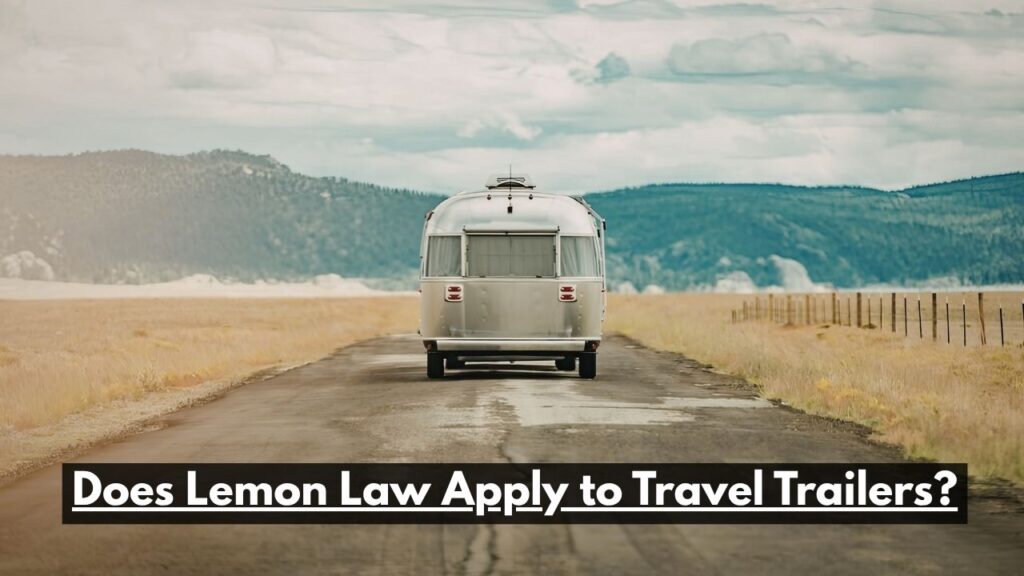
The honest answer is: sometimes. Some states include travel trailers under lemon laws, but many do not.
When asking “is there a lemon law for travel trailers”, here’s what usually applies:
- Motorhomes often qualify because they have engines
- Travel trailers may not qualify as motor vehicles
- Protection may depend on the defect type
In states where lemon law does not apply, other laws step in. These include warranty laws and consumer protection acts.
Types of Defects That May Qualify
Not every issue makes a trailer a “lemon.” Small problems are normal. But serious defects are different.
When exploring “is there a lemon law for travel trailers”, focus on major issues like:
- Structural damage or leaks
- Electrical system failures
- Brake or hitch issues
- Plumbing problems that persist
Imagine trying to enjoy a trip while dealing with constant leaks. It takes away the joy completely. That’s when legal protection becomes important.
Warranty: Your First Line of Defense

Before lemon law, warranties come into play. They are your first shield.
When people ask “is there a lemon law for travel trailers”, they often overlook warranties. But they are powerful.
Here’s what warranties usually cover:
| Warranty Type | What It Covers | Duration |
|---|---|---|
| Manufacturer | Structural and major systems | 1–3 years |
| Appliance | Fridge, AC, stove | Varies |
| Extended Warranty | Additional protection | Optional purchase |
A warranty is like a promise. If the promise keeps breaking, stronger legal action may follow.
State Laws You Should Know
Each state has its own rules. That’s why the answer to “is there a lemon law for travel trailers” changes depending on where you live.
Some states offer:
- Partial coverage for trailers
- Separate RV-specific laws
- Strong consumer protection acts
Others provide very limited help.
It’s like driving across borders. The road looks the same, but the rules change.
The Magnuson-Moss Warranty Act
If state lemon laws don’t help, federal law might.
The Magnuson-Moss Warranty Act protects consumers when warranties fail. It applies to many products, including travel trailers.
When asking “is there a lemon law for travel trailers”, this law often becomes the backup plan.
It allows you to:
- Take legal action for warranty breaches
- Recover repair costs
- Sometimes get attorney fees covered
Think of it as a second door when the first one is locked.
Common Problems Travel Trailer Owners Face
Owning a faulty trailer can feel like carrying a heavy backpack on every trip.
Here are common issues:
- Water leaks causing mold
- Faulty wiring leading to power loss
- Weak frames or cracks
- Poor insulation
When these problems repeat, people naturally ask “is there a lemon law for travel trailers” out of frustration.
Steps to Take If Your Trailer Is Defective
If you suspect your trailer is a lemon, don’t panic. Take clear steps.
- Keep all repair records
- Report issues to the dealer
- Give the manufacturer a chance to fix it
- Document everything
When dealing with “is there a lemon law for travel trailers”, documentation is your strongest weapon.
It’s like keeping receipts. Without proof, your case becomes weak.
How Many Repairs Are Too Many?
There is no universal number. But patterns matter.
If the same issue happens:
- 3 or more times without a fix
- Or the trailer stays in repair for 30+ days
Then you may have a strong case.
This is when the question “is there a lemon law for travel trailers” becomes more urgent and practical.
Can You Get a Refund or Replacement?
In some cases, yes. But it depends on the law applied.
Possible outcomes include:
- Full refund
- Replacement trailer
- Cash compensation
- Repair reimbursement
When exploring “is there a lemon law for travel trailers”, these outcomes are the goal.
Think of it like returning a defective product. You deserve fairness.
The Role of Dealers vs Manufacturers
Many buyers blame dealers first. But the manufacturer often holds responsibility.
Dealers sell the trailer. Manufacturers build it.
When asking “is there a lemon law for travel trailers”, you’ll often deal with both parties.
It’s like buying a phone from a store but needing help from the company that made it.
Real-Life Scenario: A Lesson Learned
A couple I knew bought a travel trailer for family trips. Within months, leaks appeared. Repairs didn’t fix the issue.
They kept asking, “is there a lemon law for travel trailers”, hoping for a clear answer.
Eventually, they used warranty law and got compensation. It wasn’t easy, but persistence paid off.
Their story shows one thing: knowing your rights changes everything.
Bullet Point Summary for Quick Understanding
- Travel trailers are not always covered by lemon laws
- State laws vary widely
- Warranties are very important
- Federal law can help if state law fails
- Documentation is key
When thinking about “is there a lemon law for travel trailers”, remember that protection exists, even if it’s not always straightforward.
Why This Topic Matters More Than Ever
Travel trailers are more popular than ever. People want freedom, travel, and simple living.
But with demand comes risk. Not all trailers are built well.
That’s why the question “is there a lemon law for travel trailers” keeps growing.
It’s not just about law. It’s about protecting your peace of mind.
Legal Options When Lemon Law Does Not Apply
When people finally realize that “is there a lemon law for travel trailers” doesn’t always have a simple yes, the next question is: what now?
This is where alternative legal tools come in. Even if your trailer is not covered under traditional lemon law, you still have rights.
You may be able to use:
- Breach of warranty claims
- Consumer protection laws
- Fraud or misrepresentation claims
- Magnuson-Moss Warranty Act (federal protection)
Think of it like being locked out of your front door but finding a side entrance. The goal is still the same—fair compensation.
Breach of Warranty Claims Explained
One of the strongest options is a breach of warranty claim.
When asking “is there a lemon law for travel trailers”, many owners end up relying on this instead.
A breach happens when:
- The manufacturer promises repair or quality
- The trailer repeatedly fails
- Repairs do not fix the issue
In simple terms, if they promised a working trailer and you didn’t get it, that promise was broken.
Courts often take warranty failures seriously, especially when repair attempts fail multiple times.
Consumer Protection Laws: Your Hidden Backup
Every state has consumer protection laws. These laws are broader than lemon laws.
They protect you from:
- False advertising
- Defective products
- Unfair business practices
So even when “is there a lemon law for travel trailers” leads to a dead end, consumer laws may still help.
For example, if a dealer knowingly sold a defective trailer, that could strengthen your case significantly.
It’s like having a safety net under another safety net.
Magnuson-Moss Warranty Act in Real Life
Let’s go deeper into this federal law because it’s very important.
The Magnuson-Moss Warranty Act allows you to sue if:
- A written warranty exists
- The manufacturer fails to honor it
This law often becomes the answer when people ask “is there a lemon law for travel trailers” and find no state-level help.
Benefits include:
- Legal action in federal or state court
- Recovery of repair costs
- Possible attorney fee recovery
This makes it easier for regular buyers to challenge large manufacturers.
How Lawyers Handle Travel Trailer Cases
Many people don’t realize that RV and trailer cases are specialized.
When someone asks “is there a lemon law for travel trailers”, lawyers usually check:
- State classification of the trailer
- Warranty documents
- Repair history
- Communication records
A good lawyer builds a timeline like a story. Every repair visit becomes a chapter in that story.
They are not just fighting for money. They are proving that the trailer never worked as promised.
Signs You May Have a Strong Case
Not every issue qualifies as a legal case. But some patterns are strong indicators.
You may have a case if:
- Same defect happens repeatedly
- Trailer is unusable for long periods
- Multiple repair attempts fail
- Safety issues exist
When these signs appear, the question “is there a lemon law for travel trailers” becomes more than curiosity—it becomes urgent.
Think of it like a warning light on a dashboard that won’t turn off.
Common Mistakes Trailer Owners Make
Many owners lose strong cases simply because they don’t document properly.
Avoid these mistakes:
- Not keeping repair receipts
- Accepting verbal promises only
- Delaying complaint filings
- Ignoring warranty deadlines
If you are thinking about “is there a lemon law for travel trailers”, remember: paperwork wins cases.
Without records, even a strong defect can look weak legally.
Step-by-Step Action Plan
If your travel trailer is giving you trouble, follow this simple plan:
Step 1: Document Everything
Write down every issue. Take photos and videos.
Step 2: Contact Dealer First
Report problems clearly and politely.
Step 3: Contact Manufacturer
Send written complaints, not just phone calls.
Step 4: Track Repair Attempts
Count how many times the same issue is fixed.
Step 5: Seek Legal Advice
If problems continue, consult a lawyer.
This process directly connects to understanding “is there a lemon law for travel trailers” in a practical way.
Refund vs Replacement: What Usually Happens?
People often imagine an easy refund. Reality is more complex.
Possible outcomes include:
- Replacement trailer
- Partial refund
- Full refund (rare but possible)
- Cash settlement
Manufacturers usually prefer repair first. Refunds come after repeated failure.
So when asking “is there a lemon law for travel trailers”, think of refund as the final stage, not the first.
Emotional Side of a Defective Trailer
This topic is not just legal—it’s emotional.
A travel trailer is more than a product. It represents:
- Family memories
- Freedom
- Travel dreams
When it fails, it feels personal.
Many owners asking “is there a lemon law for travel trailers” are not just seeking money—they are seeking justice and peace of mind.
It’s like planning a beautiful journey, only to be stuck on the roadside.
Table: Legal Options Compared
| Option | Applies to Travel Trailers | Strength | Difficulty |
|---|---|---|---|
| State Lemon Law | Sometimes | Medium | Medium |
| Warranty Claims | Yes | High | Medium |
| Consumer Protection | Yes | High | Medium |
| Magnuson-Moss Act | Yes | Very High | High |
This table shows that even if traditional lemon law fails, you still have strong backup options.
Preventing Problems Before Buying
The best way to avoid asking “is there a lemon law for travel trailers” later is prevention.
Before buying:
- Inspect the trailer carefully
- Research brand reputation
- Read real owner reviews
- Check warranty terms
- Test all systems
A 30-minute inspection can save months of frustration.
Think of it like checking weather before a long trip.
Expert Insight: What Most Buyers Miss
One key insight many experts mention is this: defects often appear early.
If problems show up within the first few months, that is a red flag.
So when people ask “is there a lemon law for travel trailers”, professionals first look at timing.
Early failure often signals manufacturing issues, not user damage.
FAQs About Lemon Law and Travel Trailers
1. Is there a lemon law for travel trailers in every state?
No. Some states include them, but many do not. Coverage varies widely.
2. What if my state does not cover travel trailers?
You can use warranty laws and federal protection like Magnuson-Moss.
3. How many repairs make a trailer a lemon?
Usually 3–4 failed attempts or long repair delays may qualify.
4. Can I sue the manufacturer?
Yes, especially under warranty or consumer protection laws.
5. Do used travel trailers qualify?
Sometimes, if a warranty still exists or fraud is involved.
6. What is the most important proof?
Repair records, emails, and service reports.
7. Do I need a lawyer?
Not always, but legal help improves your chances significantly.
Final Conclusion
So, is there a simple answer to “is there a lemon law for travel trailers”?
Not really.
Some states offer protection. Others don’t. But that does not mean you are helpless. Warranty laws, federal protections, and consumer rights still give you real power.
The key lesson is this: your trailer should work as promised. If it doesn’t, the law gives you ways to fight back.
At the end of the day, owning a travel trailer should feel like freedom—not frustration.