Family Law and What Does It Cover
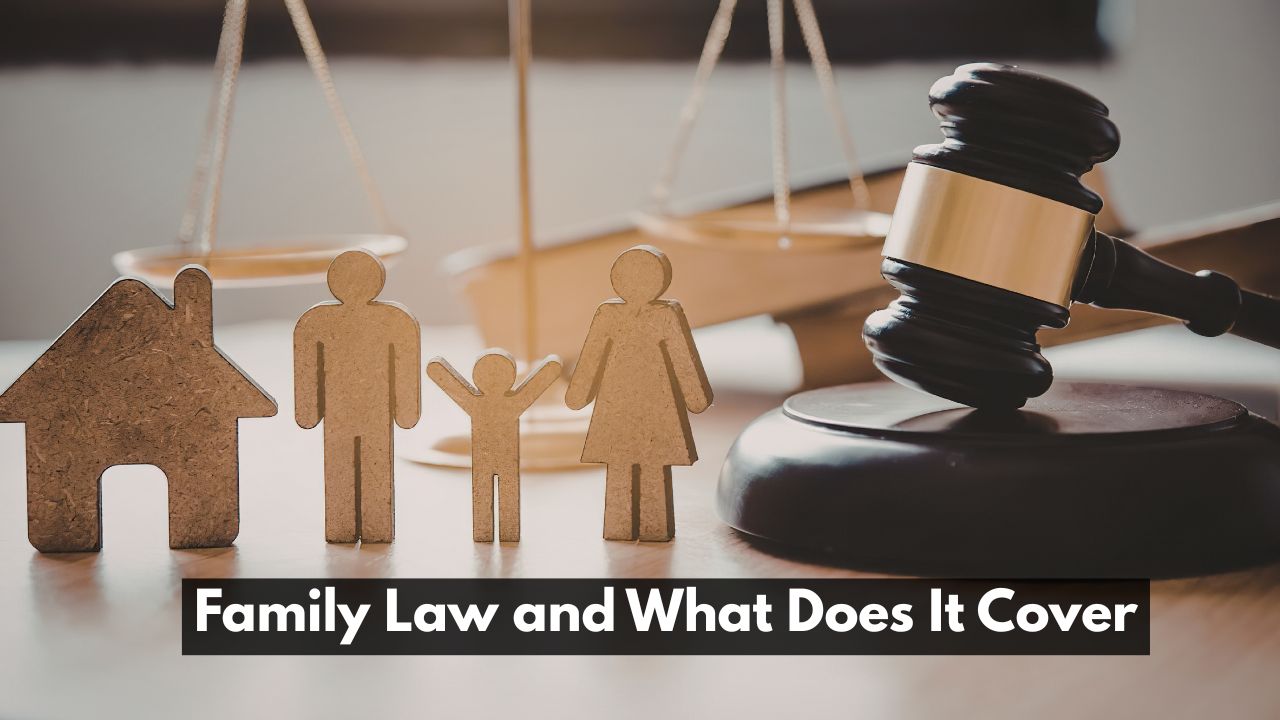
When people first hear the phrase What Is Family Law and What Does It Cover?, they often think only of divorce or court battles. But family law is much broader than that. It touches everyday life, from marriage to parenting and even the protection of vulnerable family members. It is the branch of law that deals with relationships built on blood, marriage, or legal responsibility.
In simple terms, family law is like the legal “safety net” for families. It steps in when relationships become difficult, unclear, or legally complex. Whether someone is planning a marriage, going through separation, or adopting a child, family law provides structure and fairness.
This article will guide you through the real meaning of What Is Family Law and What Does It Cover?, using simple explanations, real-life style examples, and clear breakdowns so you can understand it without confusion.
Understanding Family Law in Simple Words
To truly understand What Is Family Law and What Does It Cover?, think of it as the part of law that protects family relationships. It deals with rights, duties, and responsibilities between family members.
Family law is not only about conflict. It also helps people plan ahead. For example, couples use legal agreements before marriage, parents use it to secure custody rights, and adoptive families use it to complete legal steps for becoming a family.
At its core, family law focuses on fairness and protection. It ensures that children are cared for, partners are treated justly, and legal responsibilities are clearly defined. Without it, many personal situations would become confusing and unfair.
Why Family Law Matters in Everyday Life

Many people only think about law when something goes wrong. But What Is Family Law and What Does It Cover? becomes clearer when we see how often it quietly shapes real life.
Family law matters because families face changes all the time. Marriage, separation, new children, and even relocation can create legal questions. Without proper legal guidance, these moments can become stressful and emotionally heavy.
It also matters because it protects the most vulnerable—especially children. Courts and lawyers focus on what is safe and fair, not just what is requested. That balance is what makes family law so important in society.
Common Areas Covered in Family Law
When breaking down What Is Family Law and What Does It Cover?, we can group it into several major areas. These are the most common situations people face in real life.
Here are the key areas:
- Divorce and separation
- Child custody arrangements
- Child support agreements
- Adoption and foster care
- Marriage agreements like prenups
- Protection orders in family disputes
Each of these areas has its own rules, but they all fall under the same legal system that focuses on family relationships.
Quick Overview Table of Family Law Areas
| Family Law Area | What It Deals With | Who It Affects |
|---|---|---|
| Divorce/Separation | Ending a marriage, dividing assets | Married couples |
| Child Custody | Deciding where a child lives | Parents/Guardians |
| Child Support | Financial support for children | Non-custodial parents |
| Adoption/Foster Care | Legal process of adding a child to a family | Adoptive parents & children |
| Prenuptial Agreements | Property and financial planning before marriage | Couples |
| Protection Orders | Safety from abuse or harassment | Family members |
This table helps simplify What Is Family Law and What Does It Cover? into a clear structure you can quickly understand.
Divorce and Separation in Family Law
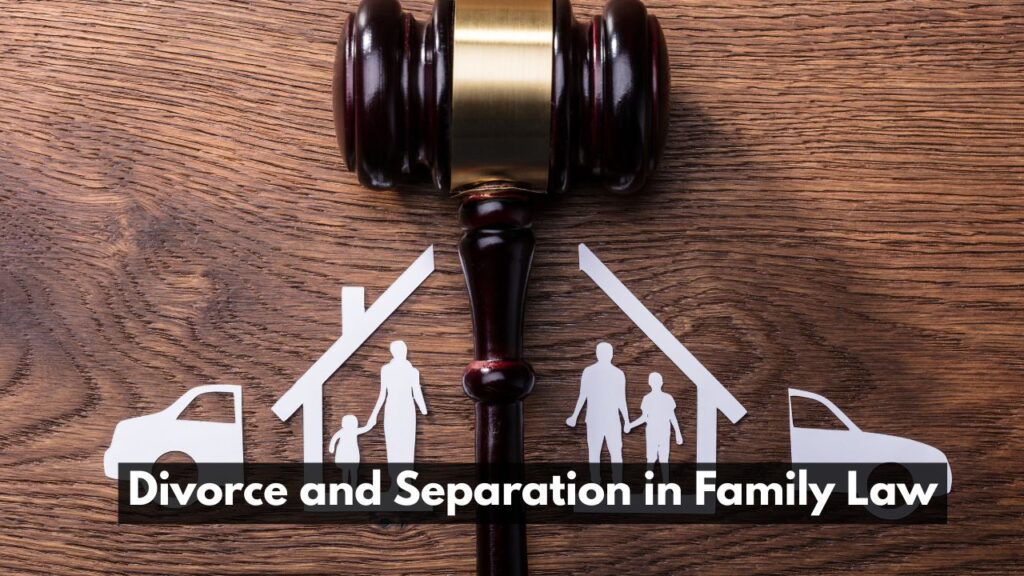
One of the most well-known parts of What Is Family Law and What Does It Cover? is divorce and separation. This is the legal process of ending a marriage and deciding what happens next.
Divorce is not just emotional—it is also legal. It involves dividing property, deciding financial support, and sometimes arranging custody for children. A family lawyer helps guide both sides so the process is fair and less stressful.
Separation can also happen without divorce. In these cases, couples may still live apart and create agreements about money, children, and responsibilities. Lawyers help make sure everything is properly documented so there is no confusion later.
Even though divorce can feel overwhelming, family law ensures that both parties have a fair voice in the process.
Child Custody and the Best Interest of the Child
Another major part of What Is Family Law and What Does It Cover? is child custody. This is often the most sensitive area because it directly affects children’s lives.
Child custody decides where a child will live and who will make important decisions for them. Sometimes parents agree peacefully. Other times, the court must decide based on what is best for the child.
Courts usually consider factors like:
- Safety of the child
- Emotional support and stability
- Financial ability of parents
- Existing relationships with caregivers
Custody is not always about choosing one parent over another. Many cases result in shared custody, where both parents stay involved. The goal is always stability and care.
Child Support and Financial Responsibility
Child support is another important part of What Is Family Law and What Does It Cover?. It ensures that children receive financial support from both parents, even if they are not living together.
Usually, the non-custodial parent provides regular payments to help cover expenses like food, education, healthcare, and daily needs. The exact amount depends on legal guidelines and the financial situation of the parents.
Family law ensures that this process is fair and consistent. It prevents children from being financially disadvantaged after separation. A lawyer can help calculate or negotiate fair support so that both sides understand their responsibilities clearly.
Adoption and Foster Care in Family Law

Adoption and foster care bring a different side to What Is Family Law and What Does It Cover?. Instead of separation, this area focuses on building families.
Adoption is the legal process of becoming a child’s permanent parent. Foster care is usually temporary, where a child is placed with a family until their long-term situation is resolved.
These processes involve background checks, legal approvals, and sometimes court hearings. It is not just paperwork—it is about ensuring the child’s safety and well-being.
Family law professionals help guide families through this emotional journey, making sure everything is legally correct and supportive for the child.
Read More: Geekzilla Podcast: Modern Geek Culture Loversc
Prenuptial and Postnuptial Agreements
Another important piece of What Is Family Law and What Does It Cover? involves agreements made inside marriage planning. These are called prenuptial and postnuptial agreements.
A prenuptial agreement is made before marriage. A postnuptial agreement is made after marriage. Both are used to set clear rules about money, property, and responsibilities if a relationship ends.
Many people think these agreements are only for wealthy couples. But that is not true. Even middle-income families use them to avoid future confusion. It is like writing a “rulebook” before emotions get complicated.
Family lawyers help couples talk openly and fairly. They make sure both sides understand what they are signing so no one feels cheated later.
Emancipation of Minors in Family Law
When exploring What Is Family Law and What Does It Cover?, emancipation is a less known but important area. It happens when a person under 18 wants to become legally independent from their parents or guardians.
This is not easy. The minor must prove they can:
- Support themselves financially
- Make responsible life decisions
- Live safely without parental care
Courts carefully review these cases because the goal is protection, not separation for convenience. Emancipation is like giving a young person adult responsibility before age 18, but only if they can truly handle it.
Family law ensures this process is balanced so that independence does not come at the cost of safety.
LGBTQIA+ Rights and Family Law
A modern understanding of What Is Family Law and What Does It Cover? also includes LGBTQIA+ family rights. Family law plays a key role in protecting equality in relationships and parenting rights.
This area includes:
- Legal recognition of same-sex marriages
- Adoption rights for LGBTQIA+ couples
- Name and gender marker changes
- Parental rights in co-parenting situations
In many places, laws are evolving. Family law helps bridge gaps so families are treated fairly regardless of identity.
For many couples, legal recognition is not just paperwork. It is about dignity, protection, and belonging. Lawyers help ensure rights are respected in both court and daily life.
Family Law and Estate Planning Connections
A surprising part of What Is Family Law and What Does It Cover? is its connection with estate planning. Estate planning is about what happens to a person’s property, money, and responsibilities after death.
Family law becomes important when:
- A parent leaves behind children
- A spouse needs financial protection
- Guardianship of minors must be decided
It ensures that family members are not left in legal confusion. Wills, trusts, and inheritance rules often overlap with family law decisions.
Think of it like building a safety bridge for your loved ones when you are no longer there to guide them.
Immigration and Family Law Overlap
Another complex area in What Is Family Law and What Does It Cover? is immigration. Family relationships often affect legal residency or citizenship status.
For example:
- Marriage to a citizen may impact immigration status
- Divorce may change residency rights
- Children’s citizenship may depend on parents
- Custody cases may involve cross-border issues
These cases can become complicated very quickly. Family lawyers often work alongside immigration experts to protect families from separation or legal uncertainty.
This overlap shows how family law is not isolated. It connects with many other legal systems in real life.
Restraining Orders and Family Protection
A serious part of What Is Family Law and What Does It Cover? is protection from harm. Restraining orders are legal tools used when someone needs safety from abuse, harassment, or threats.
Courts can issue orders that:
- Prevent contact between individuals
- Restrict physical proximity
- Protect children or family members
- Ensure safe living conditions
These cases are emotional and sensitive. Family law focuses on safety first. Lawyers help victims present their situation clearly so courts can act quickly.
In real life, restraining orders can be life-changing. They create space, safety, and time for healing.
Role of a Family Lawyer in Real Situations
A big part of understanding What Is Family Law and What Does It Cover? is knowing the role of a family lawyer. These professionals are not just courtroom representatives. They are guides during emotional and legal transitions.
A family lawyer typically helps by:
- Explaining legal rights in simple terms
- Negotiating agreements between parties
- Preparing legal documents
- Representing clients in court
- Protecting children’s best interests
In many cases, lawyers act like translators between emotion and law. Families are often under stress, and legal rules can feel overwhelming. A good lawyer brings clarity and structure.
How Courts Decide Family Law Cases
Courts play a major role in What Is Family Law and What Does It Cover? especially when families cannot agree on their own.
Judges usually focus on fairness and protection. They do not take sides emotionally. Instead, they follow legal standards.
Key factors courts consider include:
- Best interest of the child
- Financial stability of each party
- Safety and living conditions
- Existing family relationships
- Evidence and documentation
Courts aim to reduce harm and create stability. Even if decisions are not perfect for everyone, they are meant to be fair under law.
Common Misconceptions About Family Law
Many people misunderstand What Is Family Law and What Does It Cover?. These myths often create confusion or fear.
Here are some common misconceptions:
- Family law is only about divorce
- Lawyers always make cases more expensive
- Courts always favor one parent
- Only wealthy families need legal help
- Agreements are not necessary if families “trust each other”
In reality, family law is much broader and more balanced. It is designed to prevent conflict, not create it.
Quick Comparison Table: Myth vs Reality
| Myth | Reality |
|---|---|
| Family law is only divorce | It includes custody, adoption, protection, and more |
| Lawyers are unnecessary | They often reduce conflict and confusion |
| Courts favor one side | Courts focus on fairness and safety |
| Legal agreements are optional | They prevent future disputes |
| Only rich people use family law | It applies to all income levels |
This table helps simplify What Is Family Law and What Does It Cover? in a practical way.
Practical Situations Where Family Law Helps
To make What Is Family Law and What Does It Cover? even clearer, here are real-life situations where it becomes important:
- A couple separating after 10 years of marriage
- Parents fighting over child custody
- A grandparent seeking custody for safety reasons
- A couple adopting a child from foster care
- A spouse needing financial protection after separation
- A person seeking protection from domestic harm
These are not rare situations. They happen every day, and family law provides structure and fairness in each one.
FAQs About Family Law
1. What is the main purpose of family law?
The main purpose of What Is Family Law and What Does It Cover? is to regulate family relationships and protect the rights of individuals, especially children, during legal changes like divorce, custody, or adoption.
2. Do I always need a lawyer for family law cases?
Not always, but having a lawyer is helpful. They guide you through legal rules, paperwork, and court procedures, making the process smoother and less stressful.
3. How is child custody decided?
Courts decide custody based on the best interest of the child, including safety, emotional stability, and financial support from parents or guardians.
4. Can family law help unmarried couples?
Yes. Family law can still apply to custody, child support, and property disputes even if a couple is not married.
5. Are prenuptial agreements legally binding?
Yes, if they are properly written and signed with full understanding from both parties, they are legally enforceable.
6. What happens if parents disagree on custody?
If parents cannot agree, the court will decide based on evidence and what is safest and best for the child.
7. Does family law include protection from abuse?
Yes. Family law includes restraining orders and legal protections for victims of domestic violence or harassment.
Conclusion
When we fully understand What Is Family Law and What Does It Cover?, it becomes clear that it is not just about legal battles or courtrooms. It is about protecting relationships, ensuring fairness, and supporting families during life’s most emotional moments.
From marriage to separation, from adoption to protection orders, family law quietly supports many parts of daily life. It works like a stabilizing force when personal situations become legally complex.
In the end, family law is not just rules on paper. It is a system built around real people, real emotions, and real responsibilities.