
Magazine Dreams: Ambition, Identity, and Inner Struggles

We all have dreams that feel bigger than life. Some dreams push us forward, while others quietly consume us. The idea of magazine dreams reflects that intense desire to be seen, admired, and validated. It is not just about fame. It is about identity, worth, and the hunger to matter.
I remember flipping through fitness magazines as a teen. The glossy pages felt like a promise. They told me that success had a look, a shape, and a story. That feeling is exactly what magazine dreams capture. It is a mix of hope and pressure that lives inside many of us.
In this article, we explore the deeper meaning of magazine dreams, inspired by the psychological themes seen in Magazine Dreams. Let’s break it down in a simple and human way.
Understanding the Core Idea of Magazine Dreams
At its heart, magazine dreams represent the desire to be perfect in the eyes of others. It is about chasing an ideal image. That image could be beauty, success, strength, or fame.
These dreams often start small. Maybe you want to look better. Maybe you want to be noticed. Over time, they grow stronger and more intense. They begin to shape your daily choices.
What makes magazine dreams powerful is how personal they feel. You are not just chasing success. You are chasing a version of yourself that you believe will finally be enough.
A Story That Mirrors Reality
The film Magazine Dreams tells a raw story of ambition and struggle. It follows a man who wants to become a top bodybuilder. His dream becomes his entire world.
The character played by Jonathan Majors shows how deep obsession can go. His journey is not just about muscles. It is about loneliness, pain, and the need for approval.
This story reflects real life more than we like to admit. Many people chase their own version of magazine dreams. Some succeed. Others lose themselves along the way.
The Psychology Behind Magazine Dreams
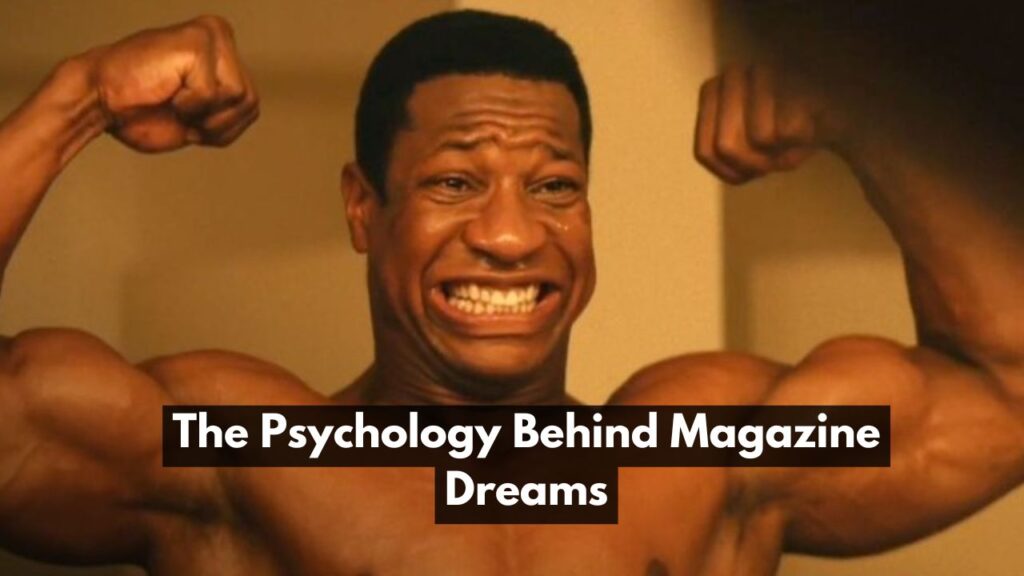
Dreams can motivate us. But they can also trap us. The psychology behind magazine dreams is complex yet relatable.
Here are a few key drivers:
- Need for validation from others
- Fear of being invisible
- Desire for control in life
- Comparison with others
When these feelings grow too strong, dreams can turn into pressure. Instead of feeling excited, you start feeling trapped.
When Ambition Turns Into Obsession
There is a thin line between passion and obsession. Magazine dreams often sit right on that line.
In the film directed by Elijah Bynum, the main character pushes himself too far. He sacrifices health, relationships, and peace of mind.
This is something many people experience. You start with a goal. Then the goal starts controlling you. You feel like you cannot stop, even when it hurts.
It is like running on a treadmill that never stops. You keep moving, but you never feel satisfied.
The Role of Social Image and Media
Magazines, social media, and ads shape how we see success. They create a picture of the “perfect life.”
Magazine dreams are deeply tied to these images. You see a perfect body, a perfect smile, or a perfect lifestyle. You start believing that this is what happiness looks like.
But here is the truth. These images are often curated and filtered. They do not show the full story.
Still, they influence how we think. They make us compare ourselves constantly. And that comparison feeds the cycle of magazine dreams.
Healthy Dreams vs Obsession
| Aspect | Healthy Dreams | Obsessive Magazine Dreams |
| Motivation | Growth and joy | Fear and pressure |
| Mindset | Flexible | Rigid |
| Health | Balanced | Neglected |
| Relationships | Supportive | Isolated |
| Outcome | Fulfillment | Burnout |
This table shows how the same dream can take two different paths. The difference lies in how we approach it.
Emotional Isolation in Magazine Dreams
One of the most painful parts of magazine dreams is isolation. When you focus too much on a goal, you may drift away from people.
In the film, the character struggles to connect with others. Even simple conversations feel hard. His world becomes smaller and smaller.
This happens in real life too. You may stop sharing your feelings. You may feel misunderstood. Over time, loneliness grows.
Dreams should connect us to life, not separate us from it.
The Hidden Cost of Perfection
Perfection looks attractive from the outside. But inside, it can be exhausting.
Magazine dreams often demand perfection. They tell you that you must always be better. Always stronger. Always more.
But perfection is not real. It is a moving target. The more you chase it, the further it goes.
This creates a cycle. You achieve something, but it never feels enough. So you push harder. And the cycle continues.
The Role of Physical Transformation
Body image plays a big role in magazine dreams. Many people believe that changing their body will change their life.
In the film, extreme bodybuilding becomes a symbol of control. It is a way to feel powerful and worthy.
But physical change alone cannot fix inner struggles. You can look strong outside and still feel broken inside.
True change comes from balance. It comes from understanding yourself, not just reshaping your body.
A Personal Reflection on Chasing Dreams
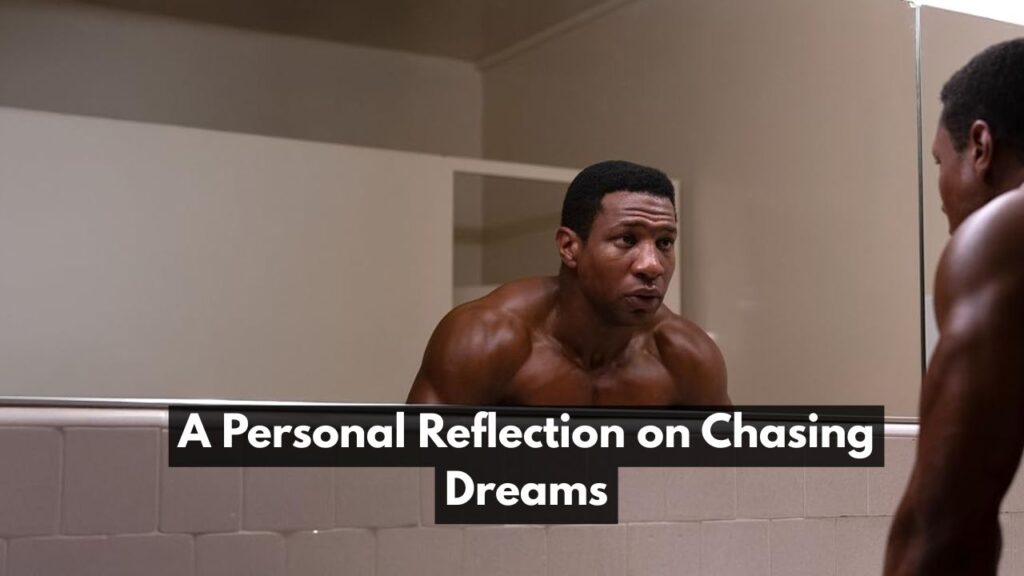
Let me share something real. There was a time when I chased my own version of magazine dreams. I wanted recognition. I wanted to feel important.
At first, it felt exciting. Every small success gave me a rush. But slowly, it became stressful. I started measuring my worth by achievements.
One day, I realized I was not enjoying the journey anymore. I was just chasing an idea.
That moment changed everything. I learned that dreams should add to your life, not take away from it.
Lessons We Can Learn from Magazine Dreams
There are many lessons hidden in this concept. If we pay attention, we can grow without losing ourselves.
Here are a few simple takeaways:
- Dreams are important, but balance is essential
- Your worth is not defined by external validation
- It is okay to slow down and reflect
- Real success includes mental and emotional health
These lessons may sound simple, but they are powerful.
The Cultural Impact of Magazine Dreams
In today’s world, magazine dreams are everywhere. From fitness culture to social media influencers, the idea of “being seen” is stronger than ever.
People want to stand out. They want to be admired. This is natural. But it also creates pressure.
The film featuring Haley Bennett and Taylour Paige highlights how these pressures affect relationships.
It shows that behind every dream, there is a human story. And that story often includes struggle, doubt, and hope.
When Dreams Become a Wake-Up Call
Sometimes, dreams teach us important lessons. They show us what matters and what does not.
Magazine dreams can act as a mirror. They reflect our deepest desires and fears. If we listen carefully, they can guide us.
But if we ignore the warning signs, they can lead us down a difficult path.
The key is awareness. Understanding why you want something can change everything.
The Balance Between Vision and Reality
Dreams need a strong foundation. Without it, they can collapse under pressure.
Magazine dreams often focus on the end result. But the journey matters just as much.
You need balance. You need rest. You need connection. These things keep you grounded.
When your vision aligns with reality, your dream becomes sustainable. It becomes something you can live with, not struggle against.
Breaking the Cycle of Unrealistic Expectations
One of the hardest parts of magazine dreams is breaking free from unrealistic expectations. You may feel stuck in a loop where nothing feels enough. Each goal leads to another, and the finish line keeps moving.
The first step is awareness. Ask yourself a simple question: “Why do I want this?” Sometimes, the answer reveals deeper emotions like fear or insecurity.
When you understand your reasons, you gain control. You can reshape your goals into something healthier. Dreams should inspire you, not exhaust you.
The Importance of Mental Health in Ambition
Mental health often gets ignored when chasing magazine dreams. People focus on results but forget the emotional cost.
In the story portrayed by Jonathan Majors, the character’s mental struggles grow silently. He keeps pushing forward, even when he is breaking inside.
This is very real. Many people hide their pain behind achievements. They smile outside but struggle within.
Taking care of your mind is not weakness. It is strength. It helps you sustain your journey without losing yourself.
Healthy Ways to Pursue Magazine Dreams
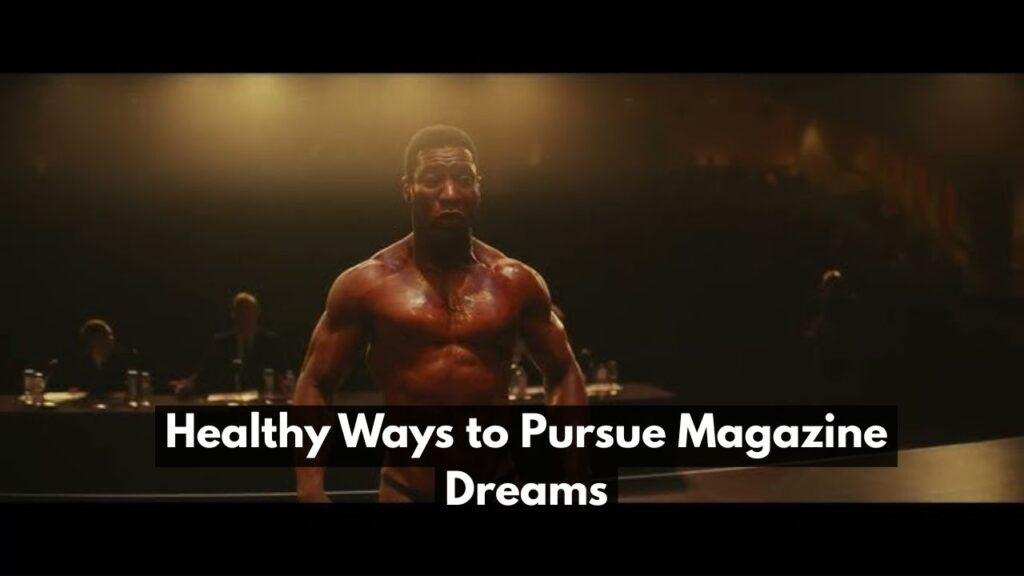
You do not have to give up your dreams. You just need a better approach. Magazine dreams can be healthy if you manage them wisely.
Here are some practical tips:
- Set realistic goals instead of extreme ones
- Focus on progress, not perfection
- Take regular breaks to recharge
- Build supportive relationships
- Celebrate small wins
These steps may seem simple, but they create a strong foundation. They help you enjoy the journey instead of just chasing the result.
The Power of Self-Acceptance
Self-acceptance is the opposite of toxic magazine dreams. It allows you to grow without constant pressure.
You can still aim high. But you also accept where you are today. This balance creates peace.
In many ways, self-acceptance is freedom. You are no longer controlled by external approval. You define your own success.
This shift changes everything. You stop chasing validation and start building confidence from within.
Relationships and Emotional Connection
Dreams should not replace human connection. Yet magazine dreams often lead to emotional distance.
In the film, relationships feel strained and fragile. Communication breaks down. The main character struggles to express feelings.
This is a common pattern. When you focus too much on a goal, you may forget to nurture relationships.
But relationships are essential. They provide support, understanding, and balance. They remind you that you are more than your achievements.
Read More: Chanel West Coast Net Worth
The Role of Failure in Growth
Failure is not the enemy. It is part of the journey. But magazine dreams often make failure feel unbearable.
You may feel like one mistake ruins everything. This mindset creates fear. It stops you from taking risks.
Instead, try to see failure as feedback. It teaches you what works and what does not.
Every successful person has failed many times. The difference is how they respond. They learn, adapt, and keep moving forward.
Signs Your Dreams Are Becoming Unhealthy
It is important to recognize warning signs early. Here are some common indicators:
- You feel constant stress or anxiety
- You ignore your health or rest
- You compare yourself all the time
- You feel isolated or disconnected
- You lose joy in the process
If you notice these signs, pause and reflect. Adjust your approach before it becomes overwhelming.
Cultural Pressure and Modern Identity
Today’s world amplifies magazine dreams more than ever. Social media, fitness trends, and online validation shape how we see ourselves.
People want likes, followers, and recognition. These metrics create a sense of worth.
But this can be misleading. Online success does not always reflect real happiness.
Understanding this helps you stay grounded. You can enjoy the benefits of modern platforms without losing your identity.
Lessons from the Film’s Journey
The journey of Magazine Dreams offers powerful lessons. It shows both the beauty and danger of ambition.
The character’s struggle reminds us that dreams need balance. Without it, they can lead to isolation and pain.
The film also highlights resilience. Even after setbacks, the desire to keep going remains.
This duality is what makes magazine dreams so complex. They can inspire or consume, depending on how we handle them.
Building a Sustainable Dream Life
A sustainable dream is one that supports your well-being. It grows with you, not against you.
To build this, focus on:
- Consistency over intensity
- Meaning over image
- Growth over perfection
When you align your dreams with your values, they become fulfilling. They become part of your life, not a burden.
This is the true essence of healthy magazine dreams.
Frequently Asked Questions (FAQs)
What does magazine dreams mean?
It refers to the desire to achieve an ideal image of success, often influenced by media, society, or personal ambition.
Are magazine dreams harmful?
Not always. They become harmful when they turn into obsession or negatively affect mental and physical health.
How can I balance ambition and well-being?
Set realistic goals, take breaks, and focus on your overall happiness, not just achievements.
Why do people chase perfection?
It often comes from a need for validation, fear of failure, or societal pressure.
Can dreams affect mental health?
Yes. Unrealistic or extreme dreams can lead to stress, anxiety, and emotional struggles.
How do I know if my dream is healthy?
If it brings joy, balance, and growth without harming your well-being, it is likely healthy.
Final Thoughts: Redefining Magazine Dreams
At the end of the day, magazine dreams are not just about success. They are about identity, purpose, and self-worth.
You can dream big. You can aim high. But do not lose yourself in the process.
The real goal is not perfection. It is balance. It is growth. It is understanding who you are beyond the image.
When you redefine your dreams, they become more meaningful. They become something you can live with, enjoy, and be proud of.