What Is the Window Tint Law in Tennessee?
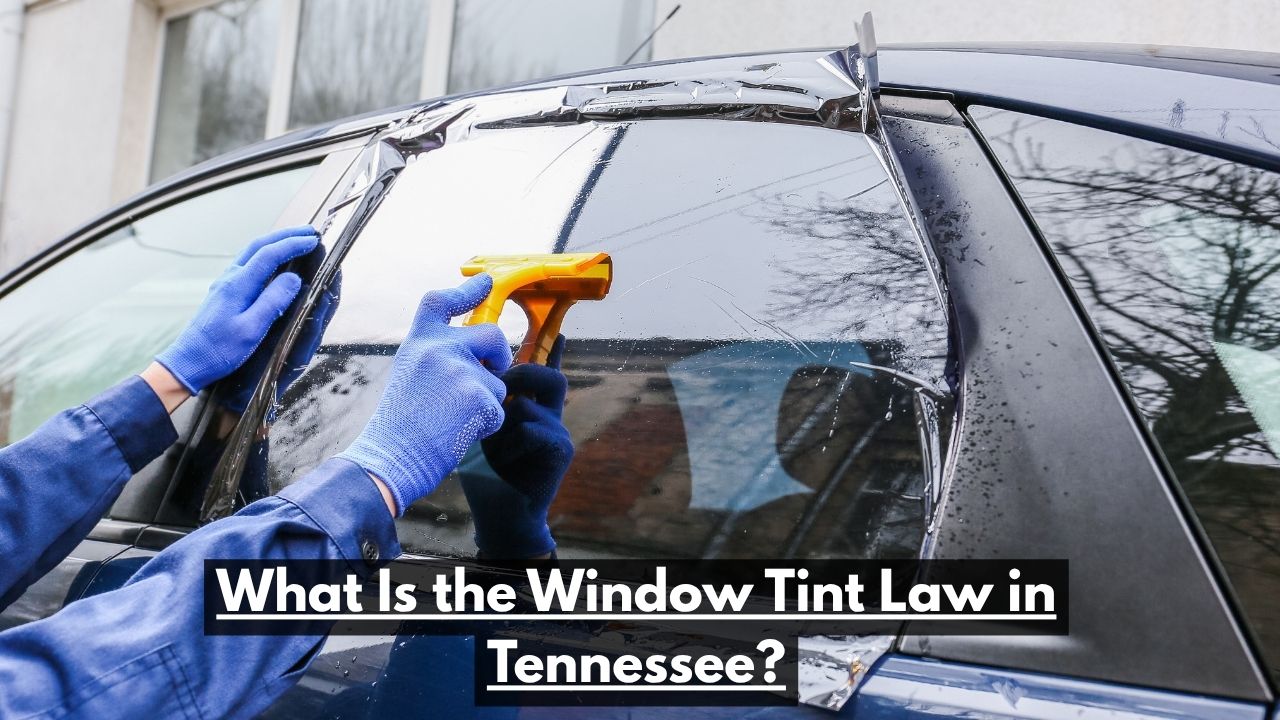
If you’ve ever driven on a bright summer day, you know how harsh the sun can feel. Window tint feels like a lifesaver. It gives comfort, privacy, and style. But here’s the catch—every state has its own rules. And yes, Tennessee is no different.
Understanding the window tint law in Tennessee is not just about avoiding a ticket. It’s about staying safe and making smart choices. I’ve seen people spend money on tint, only to remove it later. That’s frustrating and costly.
So, let’s break everything down in a simple way. Think of this guide as friendly advice from someone who wants you to avoid headaches and fines.
Understanding the Basics of Window Tint Laws
Before diving deep, let’s get clear on one thing. Tint laws control how dark or reflective your windows can be. It’s not random. It’s based on safety.
The main concept here is Visible Light Transmission (VLT). This tells how much light can pass through your window.
- Higher VLT = more light enters
- Lower VLT = darker tint
For example, 50% VLT means half the light comes in. Simple, right?
The keyword you should remember here is compliance. If your tint doesn’t meet legal limits, you could face fines or even fail inspection.
Tennessee Window Tint Law: The Core Rules
Now let’s get into the real details of the window tint law in Tennessee.
Passenger Vehicles (Sedans)
Here’s what the law allows:
- Front side windows: Must allow more than 35% light
- Back side windows: Must allow more than 35% light
- Rear window: Must allow more than 35% light
Multi-Purpose Vehicles (SUVs, Vans)
The rules are slightly relaxed:
- Front side windows: More than 35% VLT
- Back side windows: Any darkness allowed
- Rear window: Any darkness allowed
This difference often surprises people. SUVs get more flexibility.
Quick Comparison Table
Here’s a simple table to help you remember:
| Vehicle Type | Front Windows | Back Windows | Rear Window |
|---|---|---|---|
| Sedans | 35% VLT | 35% VLT | 35% VLT |
| SUVs / Vans | 35% VLT | Any | Any |
Think of sedans as stricter and SUVs as more relaxed.
Why These Laws Exist
You might wonder—why not let people choose any tint?
The answer is visibility.
At night, dark tint can make it hard to see. It also affects police visibility during traffic stops. That’s why the keyword law focuses on balance.
It’s like wearing sunglasses indoors. Too dark, and you lose clarity. That’s exactly what the law tries to prevent.
Reflective Tint Rules in Tennessee
Tint is not just about darkness. Reflection matters too.
Tennessee has rules for that as well:
- Front and back side windows cannot be more than 20% reflective
This prevents mirror-like finishes. These can reflect sunlight into other drivers’ eyes, which is dangerous.
So even if your tint is light enough, too much shine can still get you in trouble.
Windshield Tint Rules You Should Know
The windshield is the most sensitive area. Laws here are strict for a reason.
In Tennessee:
- Tint is allowed only on the top strip (AS-1 line)
- No full windshield tint allowed
That top strip helps reduce sun glare. But anything beyond that crosses the legal line.
If you ignore this part of the keyword, you risk immediate penalties.
Medical Exemptions: A Helpful Exception
Some people genuinely need darker tint. Think about those with skin or eye conditions.
Tennessee allows medical exemptions. But there’s a process.
You need:
- A doctor’s certification
- Approval from authorities
Once approved, you can use darker tint legally.
This is a great example of how the law stays flexible while still protecting public safety.
Read More: Minnesota Vikings vs Detroit Lions Match Player Stats
Penalties for Breaking Tint Laws
Let’s be honest—most people only care when there’s a fine involved.
Here’s what can happen if you violate the window tint law in Tennessee:
- Traffic ticket
- Fine (amount varies)
- Order to remove illegal tint
- Possible inspection issues
It may seem small, but repeated violations can add up.
I’ve seen drivers pulled over just because their windows looked too dark. It’s not worth the risk.
How Police Check Your Tint
You might think, “How will they even know?”
Police use a tint meter. It’s a small device that measures VLT.
They place it on your window, and within seconds, they know if you’re legal.
There’s no guessing involved. So trying to “get away with it” rarely works.
Tips to Stay Legal and Stress-Free
Here are some practical tips that can save you trouble:
- Always ask your installer about legal limits
- Request a compliance sticker if available
- Avoid very dark shades unless allowed
- Keep documents if you have a medical exemption
Following these steps makes life easier.
Think of it like following a recipe. If you skip steps, the result won’t be right.
Choosing the Right Tint: Smart Decisions
Picking tint is not just about looks. It’s about function and legality.
Here’s how to choose wisely:
- Go for ceramic tint for better heat control
- Stay close to 35% VLT to be safe
- Avoid reflective films beyond limits
A good installer will guide you. But always double-check.
Remember, the keyword here is awareness. The more you know, the fewer mistakes you make.
Real-Life Example: A Costly Mistake
Let me share a quick story.
A friend once installed 20% tint on his sedan. It looked amazing. But within a week, he got pulled over.
He had to pay a fine and remove the tint. That meant paying twice—once for installation and again for removal.
All of that could have been avoided by understanding the window tint law in Tennessee.
Common Myths About Tint Laws
There’s a lot of confusion out there. Let’s clear a few myths.
- “Darker tint is always illegal” – Not true for SUVs
- “Police won’t notice” – They usually do
- “Factory tint is always legal” – Not always
Believing myths can cost you money.
It’s better to rely on facts and stay informed.
Understanding Enforcement in Real Life
When we talk about the window tint law in Tennessee, it is not just theory on paper. It is actively enforced on roads every day. Officers often notice tint first before anything else because it changes how a car looks instantly.
In real driving situations, enforcement usually happens during:
- Traffic stops for speeding or signals
- Safety checkpoints
- Vehicle inspections in some cases
The key point is simple. If your tint looks too dark, it may invite attention. That’s why staying within the window tint law in Tennessee limits is not just legal safety, but also practical driving comfort.
How Tint Shops Work With the Law
Most professional tint shops in Tennessee know the law well. A good installer will usually ask what type of vehicle you have before recommending film.
They often guide you like this:
- Sedans: “Stay at or above 35% VLT”
- SUVs: “You have more freedom, but front windows still must follow 35% rule”
- Windshield: “Only top strip allowed”
Still, mistakes happen when customers request darker shades without understanding rules.
That’s why it’s always smart to double-check. Even if a shop installs it, responsibility under the window tint law in Tennessee still falls on the driver.
Factory Tint vs Aftermarket Tint
Many drivers get confused between factory tint and added tint.
Here’s the simple breakdown:
Factory Tint
- Built into glass during manufacturing
- Usually light tint (common in rear windows)
- Already counted in legal measurement
Aftermarket Tint
- Applied later by shops or individuals
- Must follow strict legal VLT limits
A common mistake is stacking both types without realizing total darkness increases.
So even factory tint can affect compliance under the window tint law in Tennessee.
Inspection and Registration Impact
In Tennessee, tint violations can sometimes affect vehicle inspection outcomes.
While rules vary by situation, here’s what can happen:
- You may be asked to remove illegal tint
- Re-inspection may be required
- Delay in passing inspection
Think of it like this: your car is being “checked for safety balance.” If visibility is too low, it fails the standard.
The window tint law in Tennessee indirectly connects to road safety checks, even if it doesn’t always block registration directly.
Weather and Tint: A Practical Angle
Tennessee weather plays a big role in why people choose tint.
Hot summers make tint feel like a necessity. It helps with:
- Heat reduction
- UV protection
- Reduced glare while driving
But here’s the balance. Too dark tint reduces night visibility, especially on rural roads.
So the window tint law in Tennessee tries to balance comfort and safety like a scale. One side is heat protection, the other is visibility.
Common Mistakes Drivers Make
Many drivers unintentionally break the law. It’s usually not about carelessness, but misunderstanding.
Here are common mistakes:
- Choosing 20% tint for sedans (too dark)
- Ignoring front window rules in SUVs
- Not checking reflective limits
- Trusting verbal promises without documentation
A simple mistake can turn into a fine. That’s why knowing the window tint law in Tennessee helps you avoid expensive surprises.
Practical Checklist Before Installing Tint
Before you tint your vehicle, use this checklist:
- Know your vehicle type (sedan or SUV)
- Confirm legal VLT percentages
- Ask installer for compliance guarantee
- Avoid mirror-like reflective film
- Keep medical exemption documents if applicable
This small preparation step saves money and stress later.
The window tint law in Tennessee becomes easy when you treat it like a checklist instead of a mystery.
Advanced Insight: Why 35% Matters So Much
The number 35% is not random. It is a balance point.
At 35% VLT:
- Enough light enters for visibility
- Enough tint reduces glare
- Law enforcement can still see inside
It’s like a “middle path” between safety and comfort. That’s why the window tint law in Tennessee uses it as a standard baseline.
FAQs About Window Tint Law in Tennessee
1. What is the legal tint percentage in Tennessee?
For most passenger vehicles, the legal limit is 35% VLT on front and back side windows and rear windows. SUVs have more flexibility for rear areas under the window tint law in Tennessee.
2. Can I tint my entire windshield?
No. Only the top strip above the AS-1 line is allowed. Full windshield tint is not permitted under the window tint law in Tennessee.
3. Are darker tints allowed for SUVs?
Yes, SUVs and vans can have darker rear and back windows. However, front side windows must still follow the 35% rule under the window tint law in Tennessee.
4. What happens if my tint is illegal?
You may receive a fine, be required to remove the tint, or face inspection issues. Enforcement depends on how much you exceed the legal limits.
5. Can I get a medical exemption?
Yes. A doctor’s note and official approval are required. Once approved, you may legally use darker tint under the window tint law in Tennessee.
6. Do police really check tint levels?
Yes. Officers use a tint meter that measures light transmission instantly. There is no guessing involved in enforcing the window tint law in Tennessee.
7. Is reflective tint legal in Tennessee?
Yes, but only up to a limit. Side windows cannot exceed 20% reflectivity under the window tint law in Tennessee.
Final Thoughts: Making Smart Choices on the Road
At the end of the day, tint is about balance. You want comfort from sunlight, but you also need safety and legal protection.
The window tint law in Tennessee is not designed to restrict you. It is designed to guide you. It keeps roads safer while still allowing customization.
If you think about it simply, it’s like adjusting curtains at home. You want light, but not too much glare. You want privacy, but not total darkness.
So before your next tint upgrade, take a moment. Check the rules, ask questions, and choose wisely. A small decision today can save you money, stress, and legal trouble tomorrow.