The Law of Detachment: How to Apply It to Your Life

Have you ever felt like life is slipping out of your control? You try harder, plan better, and still things don’t go your way. It can feel frestrating and heavy. In moments like these, many people turn toward a simple but powerful idea called The Law of Detachment: How to Apply It to Your Life.
At its core, this idea is not about giving up. It is about letting go of emotional pressure and trusting life’s flow. It teaches you to release fear, stop forcing outcomes, and allow things to unfold naturally. When practiced correctly, it can bring more peace, clarity, and even better results than constant control ever could.
In this article, we will explore what this law really means, how it works in real life, and how you can slowly bring it into your daily routine without stress or confusion.
Understanding the Core Meaning of the Law of Detachment

The Law of Detachment is a spiritual and psychological practice. It teaches you to stop clinging tightly to specific outcomes. Instead, you focus on effort, not control. You do your part, and then you let life respond in its own way.
Many people misunderstand it. They think it means not caring. That is not true. You still care deeply, but you do not become emotionally trapped in results.
This mindset appears in many spiritual traditions. Buddhism and Taoism both emphasize letting go of attachment to outcomes. The idea is simple: suffering grows when we try to control everything.
When you apply The Law of Detachment: How to Apply It to Your Life, you begin to shift from pressure to presence. You start thinking, “I will do my best, and I will accept whatever comes.”
This small shift can change your entire emotional world.
Why People Feel Stuck and Lost
Most people do not struggle because they lack ability. They struggle because they are too attached to how things “should” happen.
When expectations become rigid, stress increases. For example:
- You want a job, but only one specific company
- You want success, but on a fixed timeline
- You want love, but only from a specific person
When reality does not match expectations, frustration builds.
This is where the Law of Detachment becomes powerful. It helps you loosen the grip of “must happen” thinking. Life becomes lighter when you stop fighting every possible outcome.
Instead of asking, “Why isn’t this happening?” you begin asking, “What is this situation teaching me?”
That shift alone creates emotional freedom.
The Emotional Shift: From Control to Trust
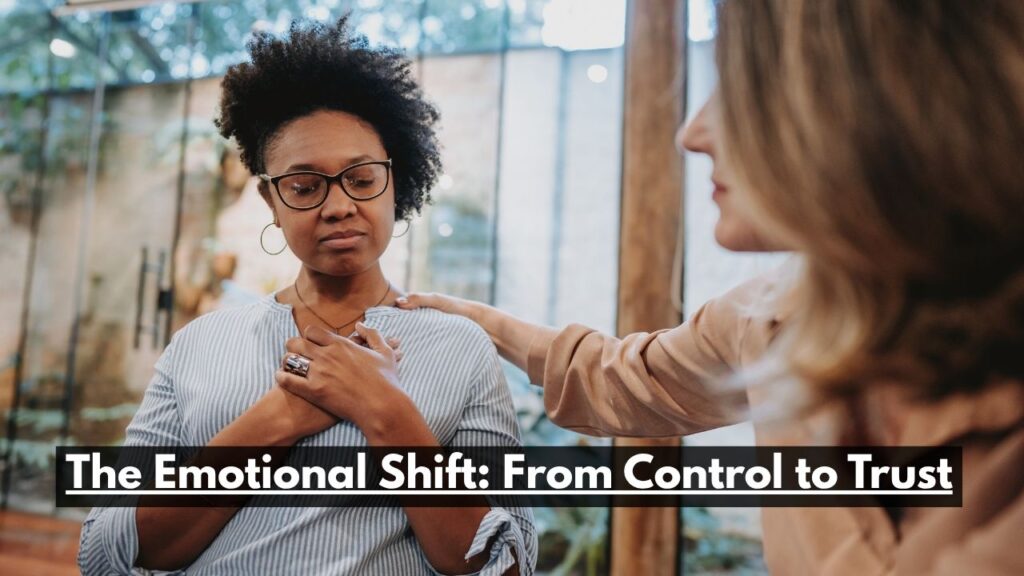
At the heart of detachment is trust. Not blind trust, but grounded acceptance that you cannot control everything.
Life is unpredictable. Even your best plans can change overnight. A job offer can disappear. A relationship can shift. A dream can delay.
But when you understand this law, you stop seeing uncertainty as danger. You start seeing it as direction.
A simple way to remember this is:
- Control creates tension
- Trust creates flow
When you practice The Law of Detachment: How to Apply It to Your Life, you learn to act with intention but release emotional grip on results.
You still prepare, you still try, but you no longer suffer while waiting.
Key Principles of the Law of Detachment
To make this idea practical, let’s break it into simple principles:
- Focus on action, not outcome
- Accept uncertainty as normal
- Release fear of failure
- Stay present in the moment
- Trust timing, not pressure
These are not abstract ideas. They are daily mental habits. You practice them in small moments: while studying, working, dating, or making decisions.
Even noticing your thoughts is part of the practice. When you catch yourself overthinking, you gently bring yourself back.
First Steps to Practice Detachment in Daily Life

You do not need a perfect mindset to begin. You only need awareness.
Start small. For example, when you feel anxious about something, pause and ask:
“What am I trying to control right now?”
Then follow it with:
“Can I allow this to unfold without forcing it?”
This does not mean you stop caring. It means you stop fighting reality.
Another simple method is breathing. Slow breathing resets emotional intensity. Even a short walk can help your mind release pressure.
Over time, these small actions build a stronger mindset around The Law of Detachment: How to Apply It to Your Life.
Letting Go of Emotional Overload
One of the biggest barriers to detachment is emotional overload. When emotions are strong, logic becomes weak.
Instead of suppressing emotions, observe them. You can say to yourself:
- “I feel anxious right now”
- “I feel scared about the result”
- “I feel pressure building up”
Naming emotions reduces their power. It creates space between you and your reaction.
Detachment is not emotional numbness. It is emotional clarity. You still feel, but you do not drown in it.
Read More: What Does “I Got Your Six” Mean in Law Enforcement?
Table: Attachment vs Detachment in Real Life
Here is a simple comparison to make the idea clearer:
| Situation | Attachment Mindset | Detachment Mindset |
|---|---|---|
| Job interview | “I must get this job or I failed” | “I will do my best and accept the result” |
| Relationship | “They must like me back” | “I will be myself and see what happens” |
| Exam result | “If I fail, I am not good enough” | “One result does not define me” |
| Career goal | “It must happen now” | “I will keep improving step by step” |
This table shows how mental framing changes emotional experience completely.
Small Mindset Shift That Changes Everything
One powerful shift is replacing “I need this” with “I prefer this.”
“I need this job” becomes “I prefer this job, but I will be okay either way.”
This reduces emotional pressure instantly. It creates space for better decisions because fear is no longer leading.
When you apply The Law of Detachment: How to Apply It to Your Life, you stop forcing life into a narrow path. You allow more possibilities to enter.
How Detachment Helps in Real Life Decisions
Detachment is not just spiritual thinking. It has practical benefits.
When your mind is not overwhelmed by fear:
- You think more clearly
- You make better decisions
- You respond calmly instead of reacting
- You recover faster from setbacks
For example, if one opportunity fails, you do not collapse emotionally. You move to the next option with stability.
This mindset makes you more flexible in a changing world.
First Two Real-Life Applications
Let’s apply this idea to real situations.
1. Work and Career Pressure
At work, many people feel constant pressure to perform. They fear mistakes and rejection. But detachment changes the experience.
Instead of thinking, “I must impress everyone,” you think, “I will do my work well and stay open to feedback.”
This reduces stress and often improves performance naturally.
2. Relationships and Social Life
In relationships, attachment often creates anxiety. People overthink messages, tone, and reactions.
Detachment allows you to be present. You enjoy the interaction without trying to control how others respond.
This makes your behavior more natural and authentic.
Living the Practice in Real Life
Now that you understand the foundation, the real work begins. The Law of Detachment: How to Apply It to Your Life is not something you learn once. It is something you practice daily in small moments.
Life will still bring stress. Plans will still fail sometimes. But your reaction changes. That is the real transformation.
Detachment is like learning to float in water. At first, you panic and try to control everything. But once you relax your body, you realize the water supports you.
Life works in a similar way.
Step-by-Step Ways to Practice Detachment Daily
You do not need big life changes to practice this law. You only need consistent small habits.
Try these simple steps:
- Notice when you are overthinking
- Pause before reacting emotionally
- Ask yourself what you can actually control
- Focus only on your next small action
- Release the outcome after effort
These steps may look simple, but they are powerful when repeated.
Over time, your mind stops chasing control and starts trusting process.
Letting Go of Control in Everyday Situations
Control is often an illusion. You can plan, prepare, and improve, but you cannot control every outcome.
For example:
- You cannot control traffic, only your departure time
- You cannot control others’ opinions, only your behavior
- You cannot control timing, only your effort
When you understand this deeply, stress reduces naturally.
A helpful mindset shift is:
“I will act where I have power, and release what I don’t.”
This is a core principle of The Law of Detachment: How to Apply It to Your Life.
A Simple Emotional Reset Technique
When emotions feel strong, use this quick reset:
- Stop what you are doing for a moment
- Take slow, deep breaths
- Name what you are feeling
- Remind yourself: “This feeling will pass”
- Return to the present task
This prevents emotional spirals. It helps you stay grounded instead of reacting blindly.
You are not trying to remove emotions. You are learning not to be controlled by them.
How Detachment Improves Relationships
Relationships are where attachment shows up the most.
When people are overly attached, they often:
- Overthink messages
- Expect constant reassurance
- Fear rejection deeply
- Misinterpret silence
Detachment changes this dynamic.
Instead of chasing validation, you focus on connection. You enjoy people as they are, not as you want them to be.
This creates healthier relationships because there is less pressure on both sides.
You become easier to be around because you are not constantly seeking emotional control.
First Date Mindset: Staying Present Instead of Overthinking
First dates often create anxiety. People imagine outcomes before anything even happens.
But detachment brings calmness.
Instead of thinking, “Will they like me?” you think, “Let me experience this moment.”
This simple shift changes everything.
You listen better. You speak more naturally. You stop performing and start being yourself.
Even if the date does not lead anywhere, it still becomes a meaningful experience instead of a stressful one.
Detachment at Work: Reducing Pressure and Stress
Work environments often create pressure around performance, promotion, and approval.
With detachment, your mindset changes from fear to focus.
You begin to think:
- “I will complete my tasks well”
- “Feedback helps me grow”
- “One setback is not my identity”
This reduces burnout.
Even if things go wrong, you recover faster because your self-worth is not tied to one result.
You stay steady, even in uncertain situations.
Goal Setting Without Emotional Pressure
Goals are important, but attachment to outcomes can make them stressful.
Detachment helps you set goals in a healthier way.
Instead of rigid thinking like:
“I must achieve this by a fixed date,”
you think:
“I will work consistently and adjust as needed.”
This creates flexibility.
Progress becomes more important than perfection. And ironically, this mindset often leads to better results.
Because you are not frozen by fear.
Simple Comparison of Mindset Changes
Here is how your thinking shifts with practice:
| Area | Old Thinking | Detached Thinking |
|---|---|---|
| Success | Must happen perfectly | Progress matters more |
| Failure | Means I am not enough | Means I am learning |
| Waiting | Feels stressful | Feels neutral |
| Uncertainty | Feels scary | Feels normal |
| Control | Must control everything | Control effort only |
This shift is subtle, but it changes your emotional life deeply.
When Life Doesn’t Go as Planned
Life rarely follows exact plans. Delays, rejection, and change are normal.
Detachment helps you respond with stability instead of panic.
For example:
- A rejected job application becomes redirection
- A failed plan becomes feedback
- A delay becomes extra preparation time
You stop asking, “Why me?” and start asking, “What now?”
This is where emotional strength grows.
Building Trust in the Process of Life
Trust is the foundation of detachment. Not blind belief, but calm acceptance that life is larger than your current situation.
When you trust the process:
- You worry less
- You adapt faster
- You recover from stress more easily
Trust does not mean everything will be easy. It means you believe you can handle whatever comes.
That belief creates emotional stability.
Common Mistakes People Make
Many people misunderstand detachment. Let’s clear that up.
Common mistakes include:
- Thinking detachment means not caring
- Avoiding effort and calling it “letting go”
- Suppressing emotions instead of observing them
- Expecting instant results
True detachment is active, not passive. You still act, you still care, but you do not cling to outcomes.
FAQs
1. Is the Law of Detachment the same as giving up?
No. It is about effort without emotional attachment to outcomes, not quitting.
2. Can I still have goals while practicing detachment?
Yes. You set goals, but you do not stress over exact results.
3. Does detachment mean I stop caring about people?
No. You care deeply, but you avoid emotional dependence.
4. How long does it take to learn detachment?
It is a gradual practice. Small improvements happen over time, not overnight.
5. Can detachment reduce anxiety?
Yes. Many people feel less stress when they stop trying to control everything.
6. Is detachment religious?
It is spiritual in nature but also widely used in psychology and mindfulness practices.
7. What is the best reminder for daily practice?
A simple phrase helps: “Do my best, then let go.”
Final Thoughts
Practicing The Law of Detachment: How to Apply It to Your Life is not about becoming distant or cold. It is about becoming lighter, calmer, and more grounded.
Life will always be uncertain. But your peace does not have to be.
When you learn to release what you cannot control, you gain something more powerful than control itself: inner stability.
And from that place, life often begins to move in ways you never expected.